








Understanding PEVA Food Bags and Their Environmental Impact
In today’s world, environmental sustainability is an increasingly important consideration for both consumers and producers. As concerns over plastic pollution and waste continue to mount, many people are asking whether alternatives to conventional plastic bags—such as PEVA food bags—are truly better for the environment. In this article, we dive deep into what PEVA is, how it compares to traditional plastics, and what its environmental pros and cons are for everyday use.
What Is PEVA?
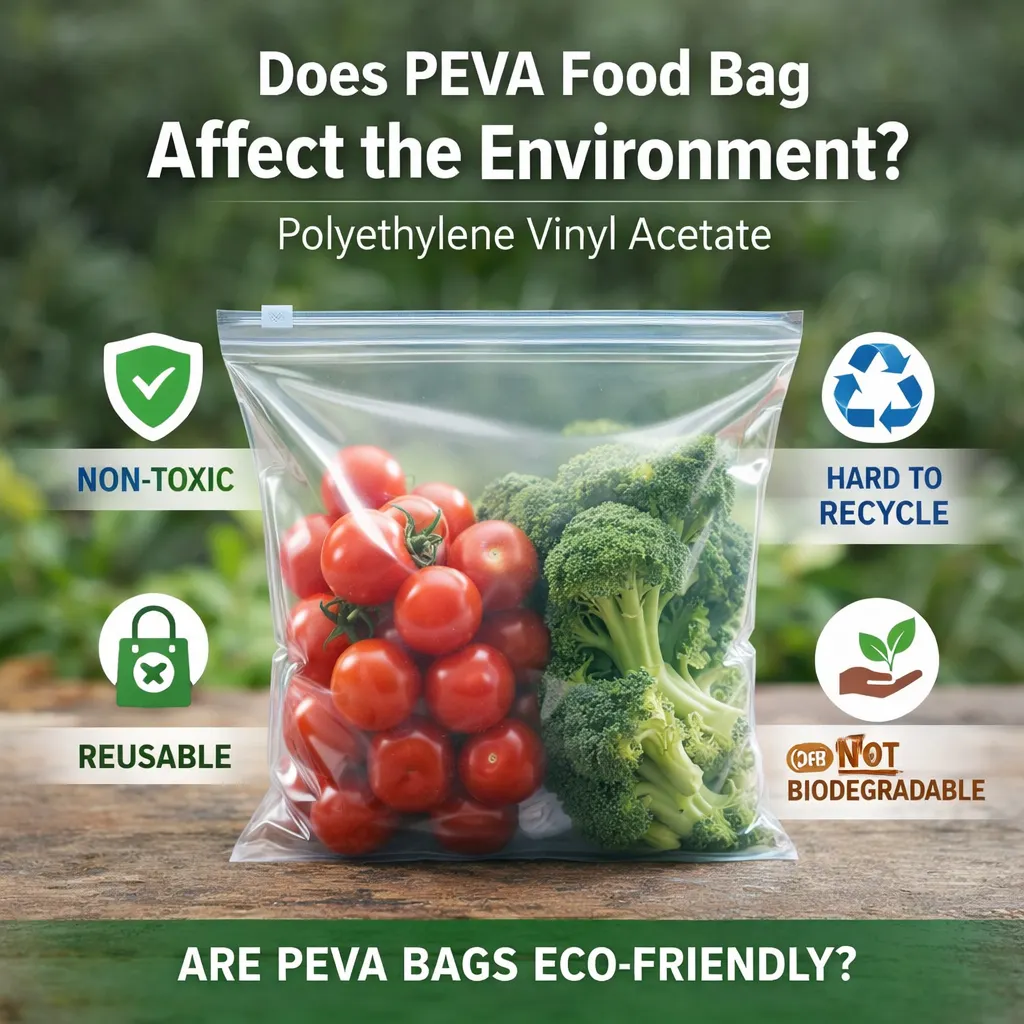
PEVA stands for polyethylene vinyl acetate, a synthetic polymer created by combining polyethylene (PE) with vinyl acetate (VA) molecules. It is widely used in products like reusable food storage bags, shower curtains, and other flexible film applications. Compared to PVC (polyvinyl chloride), PEVA does not contain chlorine, which is associated with toxic byproducts during manufacturing and disposal.
This chlorine-free nature makes PEVA a popular choice for products that come into direct contact with food, especially since many PEVA food bags are marketed as non-toxic and free from harmful additives such as phthalates, BPA, or heavy metals.
Why PEVA Is Considered a Step Forward
One of the main advantages of PEVA over other plastics lies in its material properties and user benefits:
-
Flexibility and Strength: PEVA bags are strong, yet flexible—making them suitable for storing a wide range of food items.
-
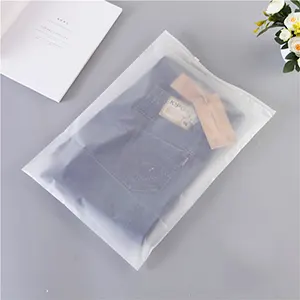
Reusability: Unlike single-use plastic bags, PEVA food bags with zipper closures can be reused many times, helping to cut down on disposable packaging use.
-
Lower Toxic Risk: Because they lack chlorine and some other harmful additives, PEVA bags are generally considered safer for food contact than PVC products.
-
Ease of Cleaning: PEVA bags are easy to wash and maintain, making them practical for repeated use in kitchens and households.
These qualities give PEVA bags distinct functional advantages over conventional single-use plastics and help reduce household waste compared to disposable alternatives.
Environmental Footprint: Production and Disposal
When evaluating the environmental impact of any material, it is important to consider both production and end-of-life disposal:
Manufacturing
The production process of PEVA bags generally involves fewer emissions than that of many traditional plastic products. Because PEVA’s chemistry is less complex and requires lower energy input, its production has a comparatively smaller carbon footprint.
However, it’s crucial to recognize that PEVA is still a plastic derived from fossil fuels, meaning its basic raw materials come from non-renewable resources. The extraction and processing of these raw materials inherently require energy and generate emissions.
Disposal and Recycling
One of the most challenging aspects of PEVA is recycling. While PEVA is theoretically recyclable, in practice, dedicated recycling programs for PEVA do not exist in most regions. As a result, used PEVA bags often end up in landfills, where they take a long time to break down—similar to other plastic materials.
Although PEVA may degrade somewhat faster than some traditional plastics, it still does not biodegrade easily in natural environments, contributing to the problem commonly referred to as “white pollution”—the persistent accumulation of plastic waste in soil, waterways, and oceans.
In addition, when plastic materials break down, they can fragment into microplastics that persist in the environment and may impact ecosystems. This applies to many plastics across the board, including PEVA.
Comparing PEVA to Other Materials
To fully understand the environmental context, it helps to compare PEVA with alternative materials:
PEVA vs Standard Plastic
Compared to conventional plastic films made from PVC or other polyvinyl compounds, PEVA has a reduced level of toxic chemicals, especially chlorine-based compounds, making it a somewhat safer alternative for direct food contact.
However, both materials ultimately contribute to long-term plastic pollution if not properly managed at the end of their life.
PEVA vs Biodegradable Alternatives
Other materials like biodegradable polymers or natural fiber-based packaging (e.g., plant starch composites) are becoming more prominent due to their ability to break down more effectively in natural conditions. These biodegradable options can sometimes offer a smaller environmental footprint—especially if certified for compostability and sourced from renewable feedstocks.
That said, biodegradable materials often come with trade-offs such as higher production costs or performance limitations in barrier strength and durability, depending on the use case.
Practical Steps for Reducing Environmental Impact
Even if PEVA bags are not a perfect solution, they can play a role in more sustainable consumption habits:
-
Embrace Reuse: Make full use of PEVA food bags by reusing them countless times rather than treating them as disposable items.
-
Support Recycling Innovation: Advocate for and support developments in recycling infrastructure that include specialized pathways for materials like PEVA.
-
Educate Consumers: Awareness campaigns about the environmental impacts of single-use plastics can help shift consumer behavior toward reusable alternatives.
-
Explore Better Materials: Where feasible, consider alternatives like compostable films or reusable silicone options that offer different environmental profiles.
Future Outlook
The future of packaging materials, including PEVA, depends on innovations in recycling technologies and material science. Governments, corporations, and consumers all have roles to play in advancing sustainable packaging solutions that strike a balance between functionality, safety, and environmental responsibility.
PEVA offers a useful stop-gap by reducing reliance on more harmful plastics and enabling reusable storage. However, advancing end-of-life solutions—whether through recycling enhancements or shifts to biodegradable alternatives—remains a key challenge for the packaging industry.
Conclusion
PEVA food bags represent a more environmentally conscious alternative to many traditional plastic products. Their chlorine-free composition, reusability, and practical performance make them a popular choice for food storage and household use.
However, because PEVA is still a type of plastic that is difficult to recycle and slow to degrade, it is not without environmental drawbacks. To reduce the negative impacts, consumers and brands alike must focus on reusing products, supporting recycling innovation, and considering truly biodegradable materials where possible
JERL has been working hard on the road of custom packaging. Next time when you feel the need to impress someone with your brand, think of JERL Packaging!


